Portfolio / Boyd Cycling Internship

Boyd Cycling Internship - Impact Testing & Mold Optimization

Boyd Cycling logo

Time Bicycles / Boyd Cycling · Process Optimization & Test Engineering Intern · Greenville, SC · 2025

Over summer 2025 in Greenville, I conceived and built a custom wheel-impact rig in a 72-hour sprint, validating rim durability to the 40 J UCI standard with capability up to 200 J. I also overhauled RTM mold geometry and machine calibration to eliminate dry zones and standardize resin distribution while holding competitive rim weight.

Carbon rim positioned under the anvil of the wheel-impact test rig

Carbon Rim Impact Tester

Custom impact apparatus validating carbon rim durability from the 40 J UCI standard up to 200 J.

Challenge

Boyd needed a standardized impact tester immediately. No existing rig in the shop; three days to design and build something that could meet UCI-aligned drop testing.

Solution

Built a Guillotine-style tester with adjustable drop height and anvil mass, raised by an electric winch and released by an electromagnetic stopper for safe, repeatable drops. Frame from repurposed inventory shelving; guide rails and anvil from salvaged scrap, machined and welded on site. Supports multiple rim profiles without waiting on outside suppliers.

Impact energy vs. drop height (E = mgh) across the rig's anvil masses, showing the 40 J UCI point and the 200 J ceiling

Key Technologies

Custom Machine Design
CAD Modeling
Fabrication & Welding
40 J UCI Standard

The Guillotine Rig

Controlled energy transfer to the rim structure

Rig in action - weighted anvil drop onto a carbon rim.

Function

Weighted anvil drops from adjustable heights to deliver controlled energy, simulating pothole strikes and similar road hazards. Calibrated against the 40 J UCI standard, with headroom to 200 J for destructive margin testing.

Build Approach

Compressed timeline forced scavenged materials and in-house fab: shelving for structure, scrap for rails and anvil, a winch and electromagnetic stopper for repeatable lifts and releases. Result was a shop-ready precision instrument without lead times.
Impact Tester Outcomes

What the 72-hour build unlocked

In-House Capability

Boyd can now run 40 J UCI rim impact tests in-house without waiting on outside labs or suppliers. Adjustable height and anvil mass cover multiple rim profiles on the same fixture and reach 200 J for margin testing.

Shop Constraints

Built entirely from on-hand materials and in-house fab (shelving, scrap, welding, winch) so the tester was usable in days, not procurement cycles.

Outcomes

72-hour design-to-build
Shop-floor ready
40 J to 200 J range
Winch + electromagnetic release

Carbon Rim Mold Optimization

Process analysis and fixes for Resin Transfer Molding of high-performance carbon rims.

Challenge

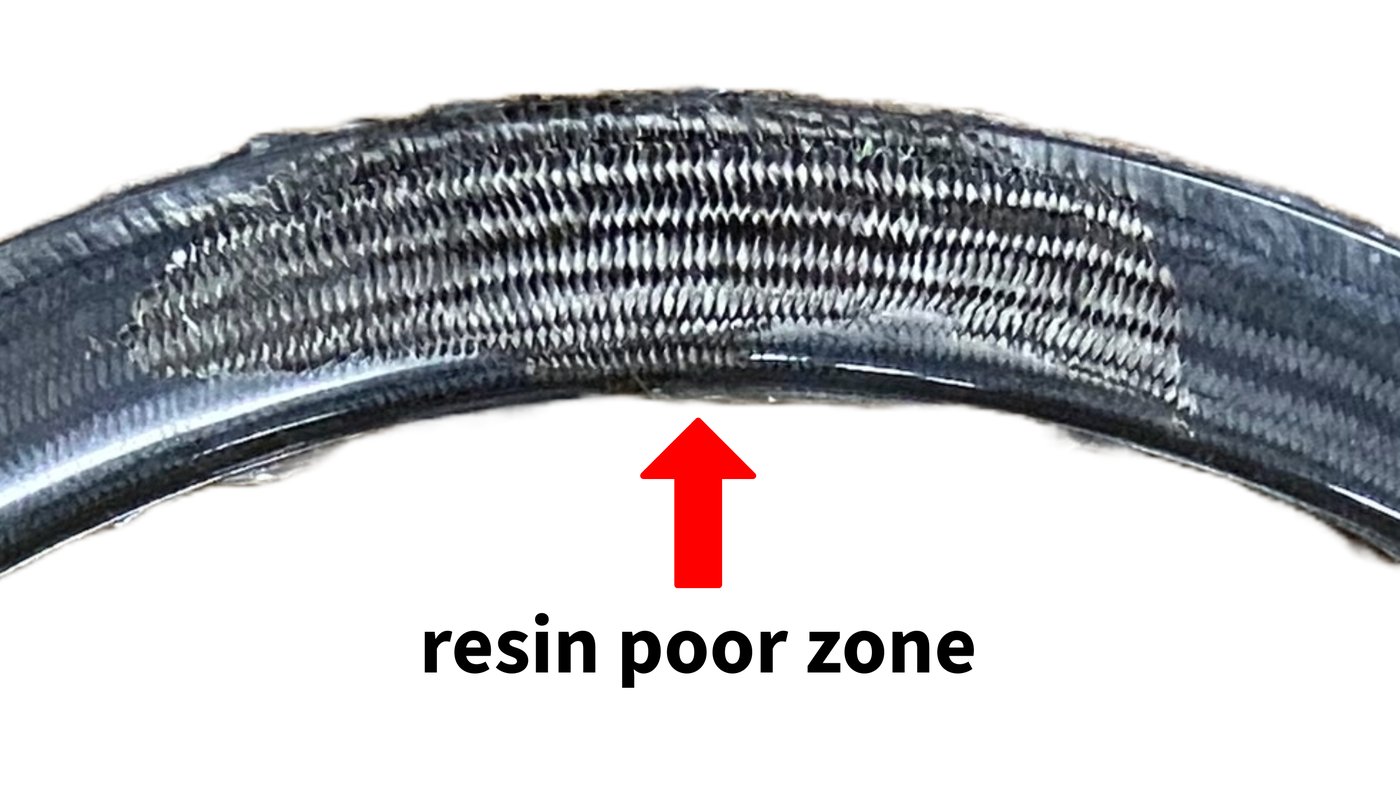
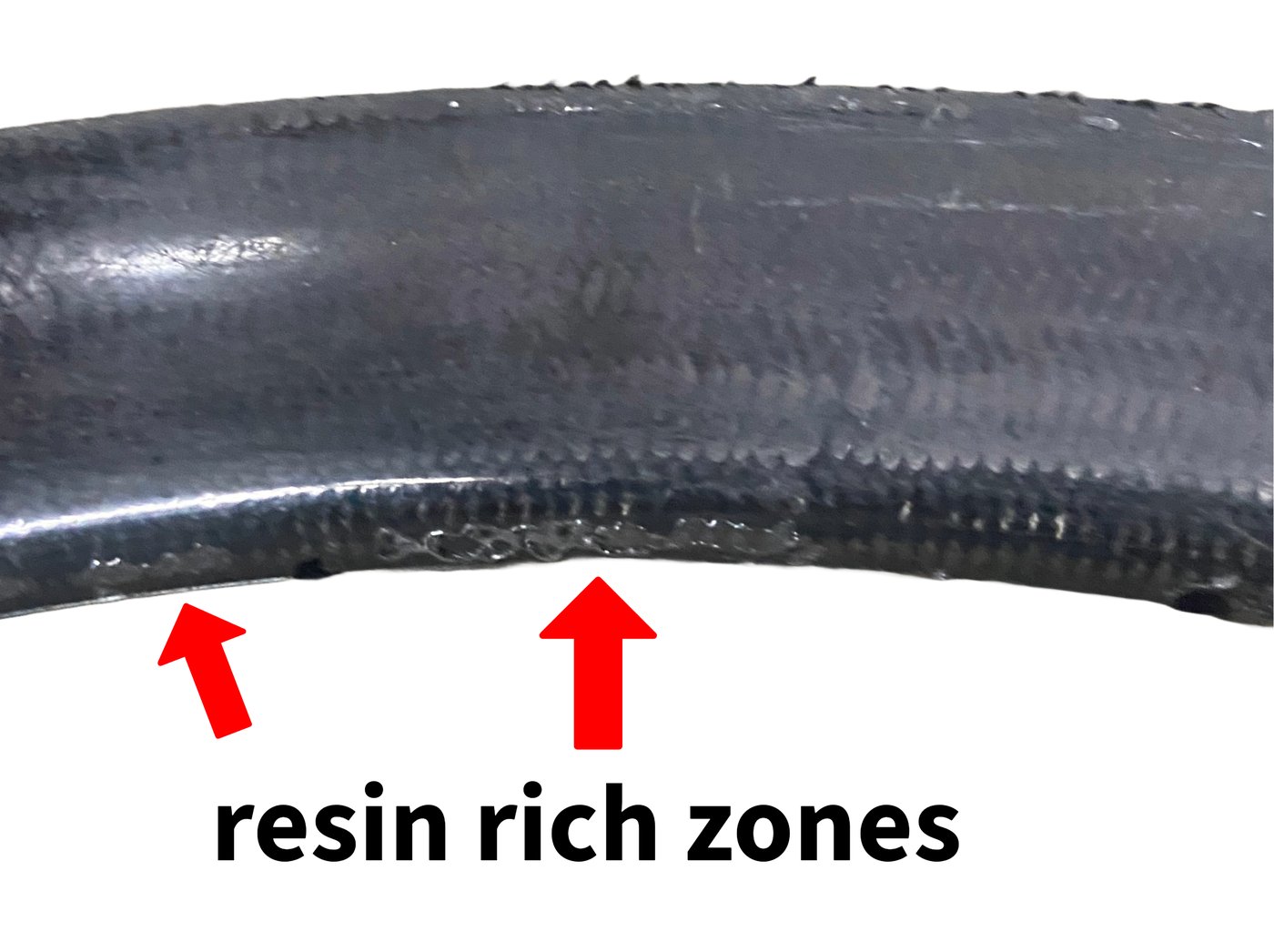
Inconsistent resin distribution was creating dry zones alongside resin-rich pooling - structural and cosmetic risks in production rims.

Approach

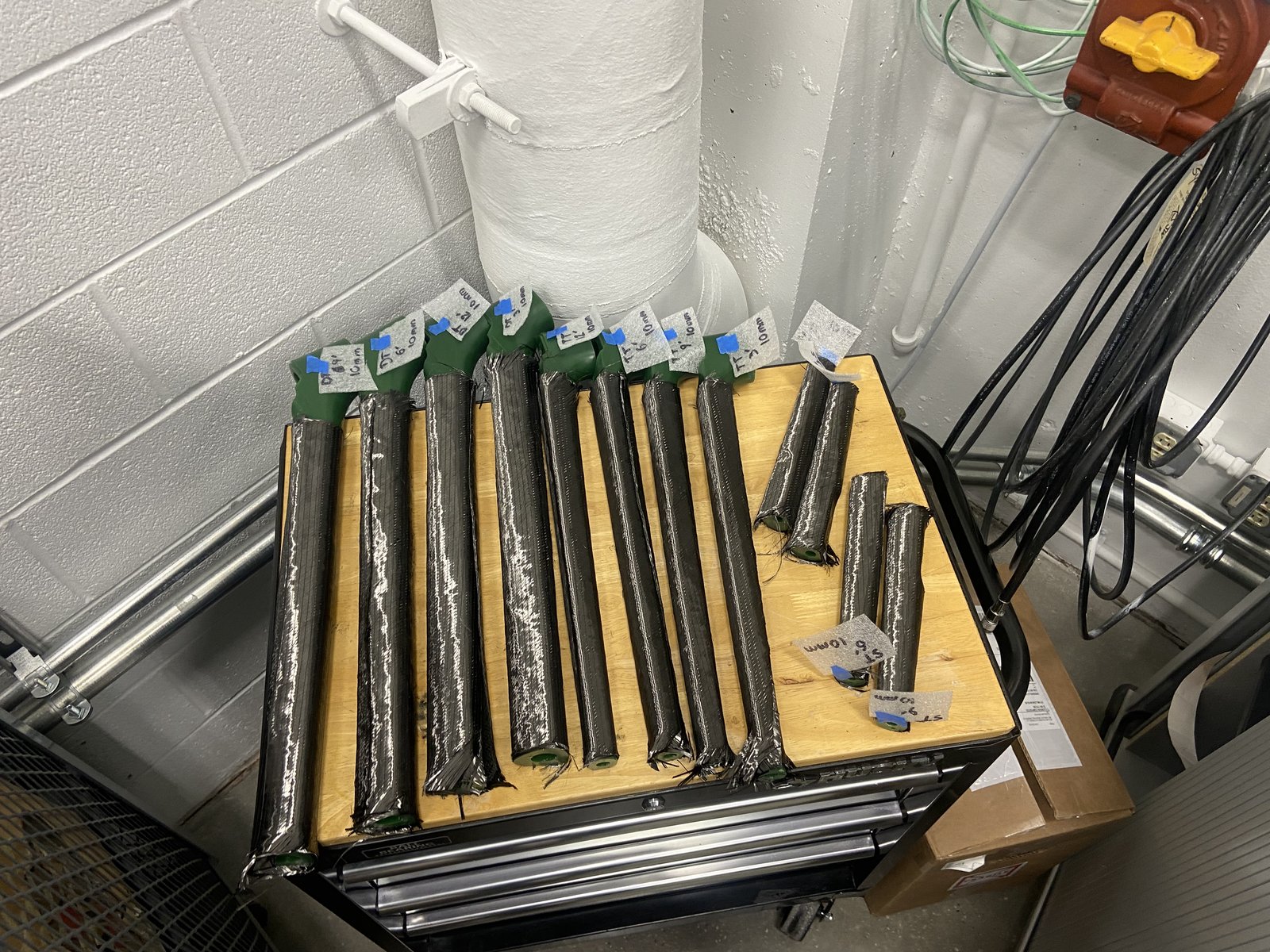
Tracked resin flow and cure behavior, then overhauled mold geometry and machine calibration - temperature, injection pressure, and layup schedules - to standardize fill while maintaining competitive rim weight. Also hand-wrapped Non-Crimp Fabric on wax frame molds to prototype fiber orientations that automation couldn't yet reach.

Key Technologies

RTM Composites
Defect Analysis
Process Optimization
NCF Hand Layup

Manufacturing Work

Mold setup, winding, defect mapping, and NCF prototyping

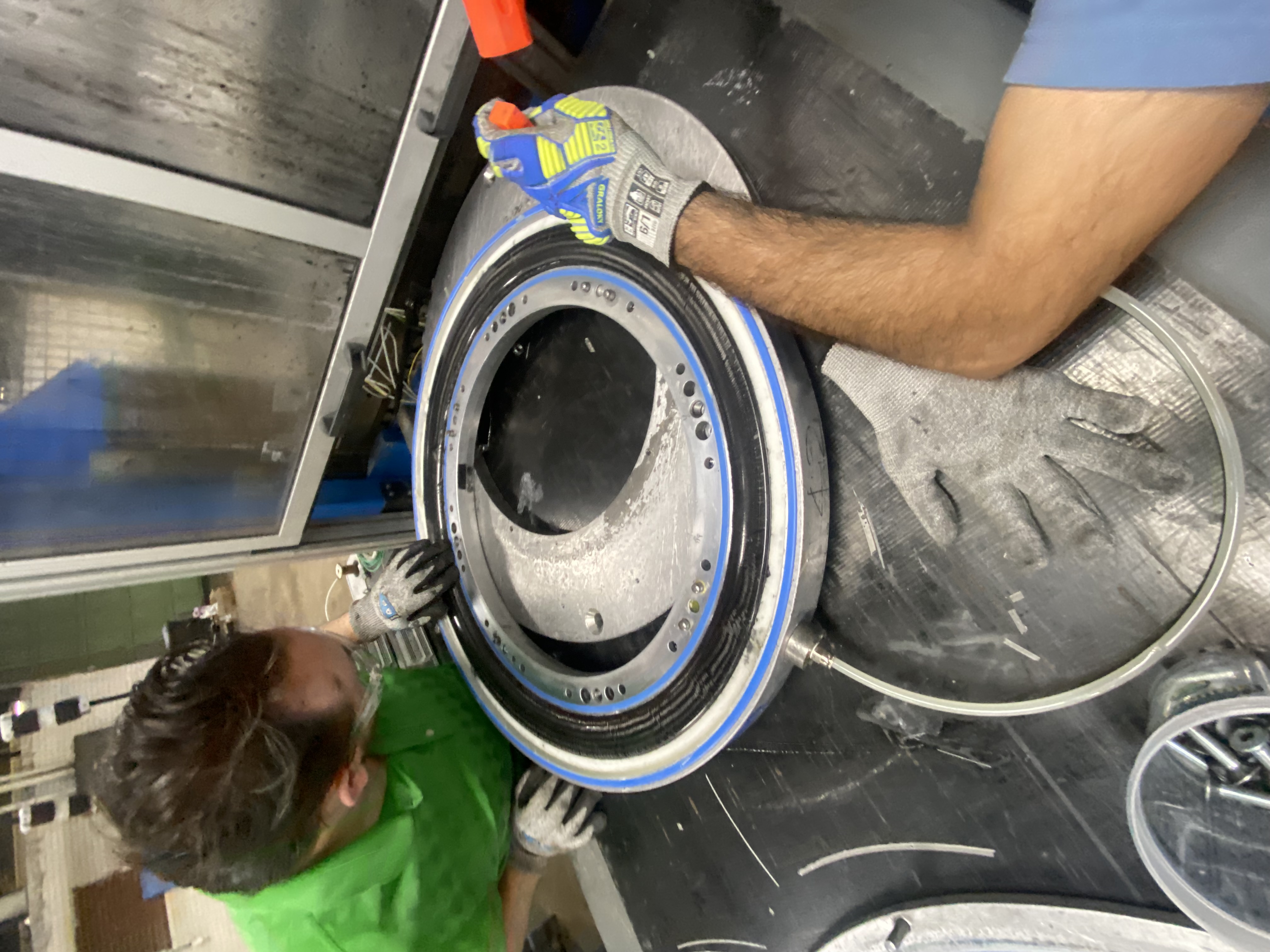
Carbon fiber rim preform seated in an open RTM mold half
RTM Mold Setup

Carbon preform in the mold before resin injection.

Bobbin Winder

Automated winding of carbon fiber filaments.

Cured rim surface showing glossy resin-rich pooling along the brake track
Resin-Rich Zones

Mapped excess resin accumulation.

Dry zone on a cured rim where resin failed to fully penetrate the fiber
Resin-Poor Zones

Mapped insufficient resin penetration.

Hand-Wrapped NCF Prototypes

For complex frame geometries, applied Non-Crimp Fabric by hand on wax molds to control fiber orientation in high-stress zones before committing those schedules to production tooling.

Non-crimp carbon fabric hand-wrapped around a wax frame mold
Hand-Wrapped Wax Mold

NCF applied for prototype structural testing.

Mold Optimization Outcomes

Process changes that stuck in production

Defect Reduction

Mapped resin-rich and resin-poor zones, then adjusted mold temperature, injection pressure, and layup schedules to even out fill on production rims.

Prototype Path

Hand-wrapped NCF on wax molds let the team trial fiber orientations in high-stress zones before locking schedules into production tooling.

Focus Areas

Resin flow balance
Mold temp / pressure
NCF hand layup
RTM production rims